
Unlocking Respiratory Relief: Chest Physiotherapy Techniques Demystified

 Chest physiotherapy techniques offer vital relief for individuals grappling with respiratory challenges. Among these techniques, chest percussion therapy stands out as a cornerstone in managing conditions like cystic fibrosis, chronic obstructive pulmonary disease (COPD), and pneumonia.
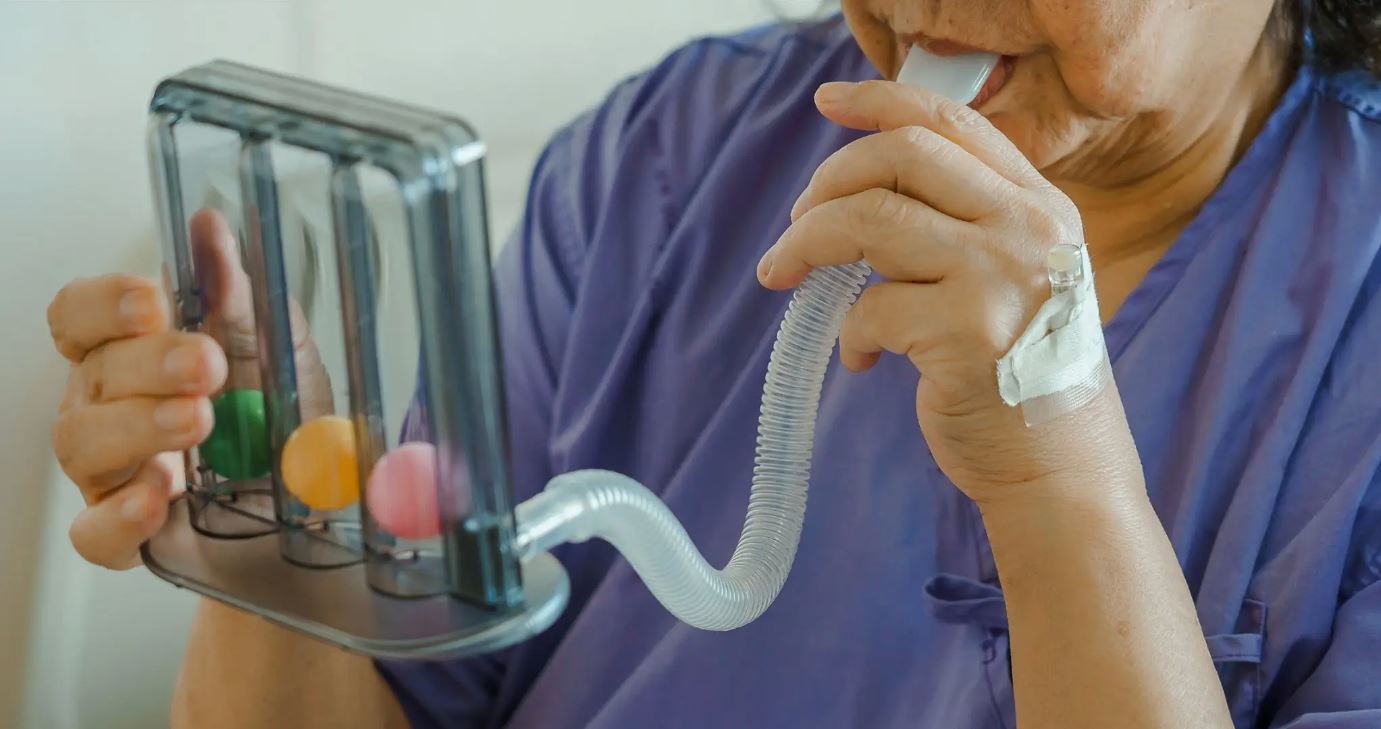


Performed either in clinical settings or at home under professional guidance, chest percussion therapy involves rhythmic tapping or clapping on the chest wall. This percussive action helps to loosen and mobilize mucus trapped in the airways, facilitating its expulsion through coughing. The therapy enhances lung function, reduces the risk of respiratory infections, and promotes clearer breathing.


For those seeking to incorporate chest physiotherapy techniques at home, it's crucial to learn proper methods and safety measures. Techniques such as postural drainage, chest percussion, and vibration can be adapted for home use with guidance from a qualified physiotherapist.


Regular chest physiotherapy sessions, whether at home or in a clinical setting, can significantly improve respiratory function, enhance quality of life, and reduce the risk of complications. By demystifying these techniques and promoting their accessibility, individuals can take proactive steps towards better respiratory health and overall well-being.

Read More: https://www.homevisitingphysios.co.uk/chest-physiotherapy/


Comments

Popular posts from this blog

Understanding Soft Tissue Injuries – Causes, Treatment, and Recovery

  Soft tissue injuries affect muscles, ligaments, and tendons, often caused by trauma, overuse, or repetitive strain. These injuries can lead to pain, swelling, and reduced mobility, making daily activities challenging. Common causes include sprains and strains from overstretching, repetitive movements like running or lifting, and direct trauma from falls or sudden impacts. Symptoms of soft tissue injuries include pain, swelling, bruising, and restricted movement. In more severe cases, weakness or instability in the affected area may occur. Early treatment is crucial to prevent long-term complications. The RICE method (Rest, Ice, Compression, Elevation) is effective in managing initial symptoms, but professional physiotherapy plays a key role in full recovery. At Home Visiting Physios , we provide expert rehabilitation in the comfort of your home. Our physiotherapists use techniques such as manual therapy, guided exercises, and personalized rehabilitation programs to restore flexi...

Managing Spasticity After a Stroke | Home Visiting Physios

  Spasticity, a common condition following a stroke, involves muscle stiffness and involuntary contractions, often making daily activities challenging. Managing this condition effectively is crucial for improving quality of life and fostering independence. Understanding Spasticity Spasticity occurs due to disrupted communication between the brain and muscles, leading to increased muscle tone and exaggerated reflexes. This condition can cause pain, limit mobility, and interfere with daily tasks such as dressing, eating, and walking.  Treatment Approaches 1. Physical Therapy: Engaging in regular physiotherapy Services is fundamental in managing spasticity. Physiotherapists use exercises to stretch and strengthen muscles, improve range of motion, and enhance overall mobility. Tailored exercise programs are designed to meet individual needs, focusing on areas most affected by spasticity. 2. Medications: Several medications can help reduce muscle stiffness and improve movement. Co...

Comprehensive Physiotherapy Services for Care Homes by Home Visiting Physios

  At Home Visiting Physios, we specialize in providing tailored physiotherapy services for care homes , ensuring that residents receive the care they need within the comfort of their environment. Our experienced team understands the unique challenges faced by care home residents, including mobility limitations, chronic conditions, and post-surgical recovery needs. Why Physiotherapy Matters in Care Homes Physiotherapy plays a vital role in enhancing the quality of life for care home residents. It aids in improving mobility, reducing pain, and preventing complications associated with inactivity. Regular physiotherapy sessions also help in managing chronic conditions like arthritis and neurological disorders, ensuring that residents maintain their independence for as long as possible. Our Services for Care Homes We offer a comprehensive range of physiotherapy services tailored to meet the specific needs of care home residents: Mobility Assessments : Evaluating residents’ mobility lev...