
Exploring Joint Injections: A Solution for Joint Pain Relief

 Joint injections are a common medical intervention used to alleviate pain and inflammation associated with various joint conditions such as arthritis, bursitis, and tendinitis. These injections typically involve the administration of corticosteroids or hyaluronic acid directly into the affected joint.
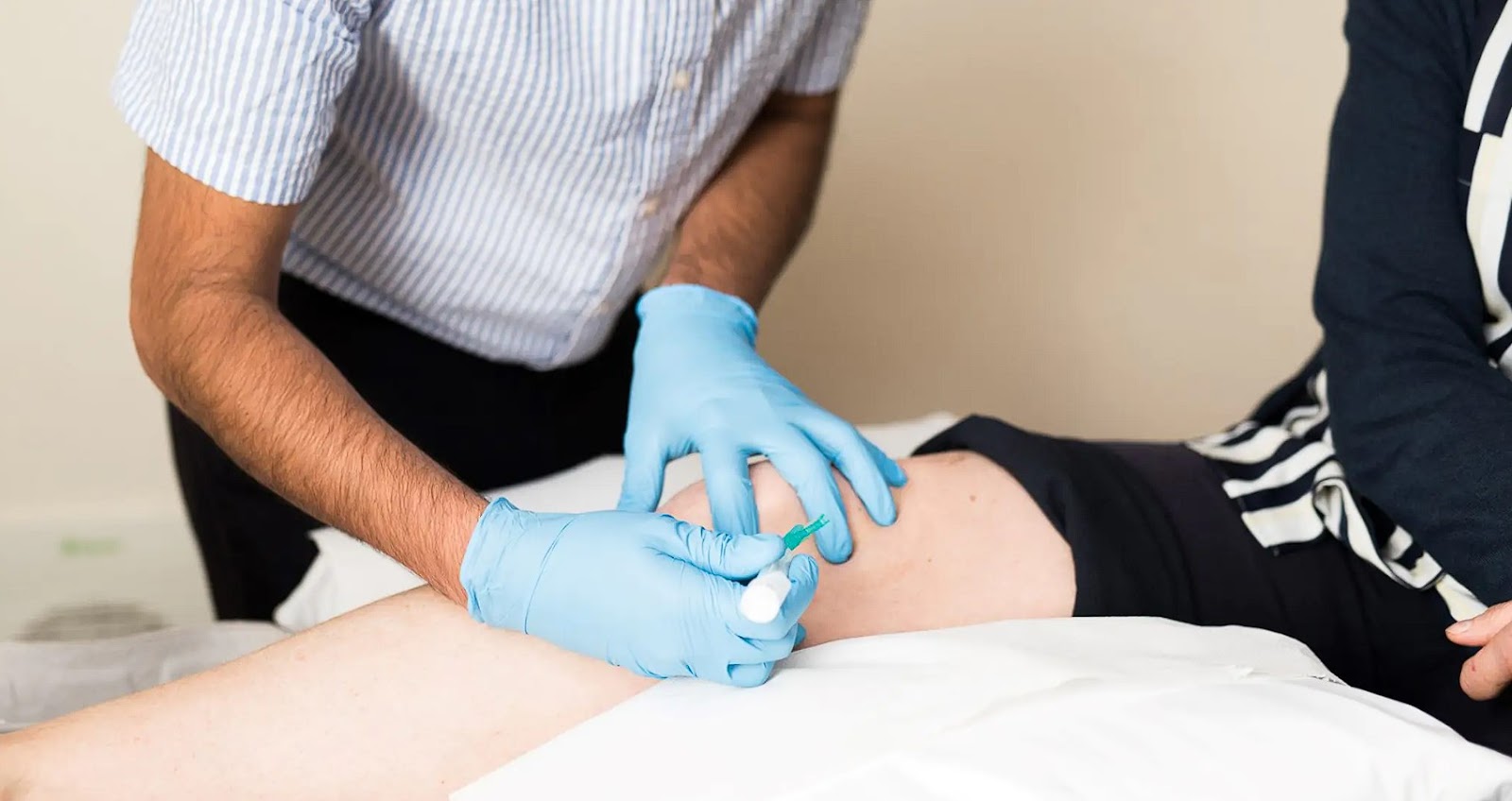


Corticosteroids work by reducing inflammation within the joint, thereby relieving pain and swelling. They can provide rapid and significant pain relief, often allowing individuals to resume their daily activities with greater comfort. However, the effects of corticosteroid injections may diminish over time, requiring repeated injections for sustained relief.


Hyaluronic acid injections, on the other hand, aim to supplement the natural lubricant found in joints, which can become depleted in conditions like osteoarthritis. By restoring joint lubrication, hyaluronic acid injections help reduce friction between the bones, alleviate pain, and improve joint function. While the effects of hyaluronic acid injections may take longer to manifest compared to corticosteroids, they can provide longer-lasting relief for some individuals.


Overall, joint injections offer an effective and minimally invasive option for managing joint pain and improving quality of life for individuals with various joint conditions. However, it's essential to consult with a healthcare professional to determine the most appropriate treatment approach based on individual needs and medical history.

Read More: https://www.homevisitingphysios.co.uk/joint-injections/


Comments

Popular posts from this blog

Understanding Soft Tissue Injuries – Causes, Treatment, and Recovery

  Soft tissue injuries affect muscles, ligaments, and tendons, often caused by trauma, overuse, or repetitive strain. These injuries can lead to pain, swelling, and reduced mobility, making daily activities challenging. Common causes include sprains and strains from overstretching, repetitive movements like running or lifting, and direct trauma from falls or sudden impacts. Symptoms of soft tissue injuries include pain, swelling, bruising, and restricted movement. In more severe cases, weakness or instability in the affected area may occur. Early treatment is crucial to prevent long-term complications. The RICE method (Rest, Ice, Compression, Elevation) is effective in managing initial symptoms, but professional physiotherapy plays a key role in full recovery. At Home Visiting Physios , we provide expert rehabilitation in the comfort of your home. Our physiotherapists use techniques such as manual therapy, guided exercises, and personalized rehabilitation programs to restore flexi...

Joint Health at Home: Comprehensive Care for Better Mobility

  Maintaining healthy joints is vital for staying active and pain-free, but joint issues can arise from age, injury, or medical conditions such as arthritis. Addressing these challenges doesn’t always require visits to clinics; home-based physiotherapy provides effective solutions for joint health, offering convenience and personalized care. At Home Visiting Physios, we’re dedicated to helping individuals achieve better joint health through targeted treatments, including physiotherapy, joint injections, and acupuncture. Home-Based Physiotherapy for Joint Health Home-based physiotherapy is a highly effective way to manage joint issues without the need to travel. Our qualified physiotherapists visit you at home to assess your condition and create a tailored treatment plan. Through exercises, stretching, and manual therapy, we aim to reduce stiffness, improve mobility, and strengthen the surrounding muscles that support your joints. This personalized approach ensures that you receiv...

Understanding a Typical Home Visit Physiotherapy Session

  Home visit physiotherapy is a convenient and effective way to receive personalized care in the comfort of your own home. This service is especially beneficial for individuals with mobility issues, those recovering from surgery, or anyone who finds it challenging to attend clinic-based appointments. Here’s what you can expect during a typical home visit physiotherapy session . Initial Assessment The session begins with an in-depth assessment. Your physiotherapist will take time to understand your medical history, current symptoms, and specific concerns. This assessment helps them identify the root causes of your discomfort or mobility issues. They may also observe how you perform daily activities to tailor a treatment plan that suits your needs and environment. Personalized Treatment Plan Once the assessment is complete, the physiotherapist will develop a personalized treatment plan. This could involve a range of therapies, including exercises to improve strength, flexibility, and...