
Enhancing Quality of Life: The Role of Physiotherapy in Care Homes

In the realm of eldercare, ensuring residents' well-being goes beyond basic medical needs; it encompasses enhancing their quality of life. Physiotherapy emerges as a cornerstone in achieving this goal within care home settings.
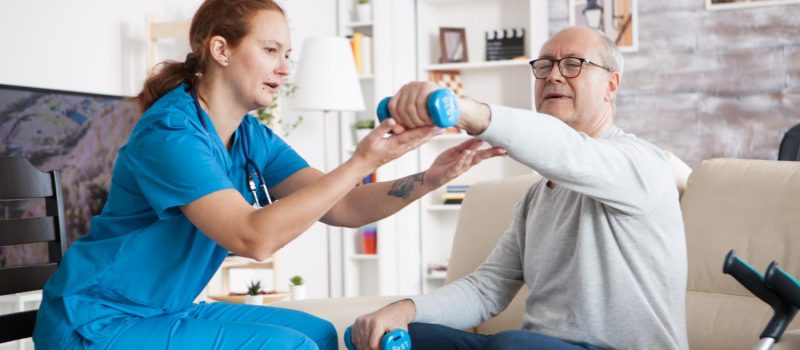


Physiotherapy in care homes offers personalized interventions tailored to residents' unique physical conditions and needs. Whether it's managing chronic pain, improving mobility, or preventing falls, physiotherapists play a pivotal role in enhancing residents' functional independence and overall health.


Moreover, the integration of physiotherapy into care homes extends beyond mere treatment sessions. It encompasses holistic care management, where physiotherapists collaborate closely with interdisciplinary teams to address residents' multifaceted needs comprehensively. This approach ensures a cohesive care plan that optimizes residents' well-being.


Furthermore, the concept of physiotherapists providing home-based services extends the reach of care beyond the confines of care homes. This not only enhances accessibility but also fosters a sense of familiarity and comfort for residents in their own environment.


Case management physiotherapy adds another dimension by providing continuous monitoring and adjustment of treatment plans based on residents' evolving health status. This proactive approach not only prevents potential setbacks but also promotes long-term health maintenance and improvement.


In essence, physiotherapy in care homes transcends traditional medical interventions by focusing on empowering residents to live fulfilling and active lives. By addressing physical limitations and promoting overall well-being, physiotherapy emerges as a cornerstone in enriching the lives of elderly residents within care home settings.

Read More: https://www.homevisitingphysios.co.uk/


Comments

Popular posts from this blog

Understanding Soft Tissue Injuries – Causes, Treatment, and Recovery

  Soft tissue injuries affect muscles, ligaments, and tendons, often caused by trauma, overuse, or repetitive strain. These injuries can lead to pain, swelling, and reduced mobility, making daily activities challenging. Common causes include sprains and strains from overstretching, repetitive movements like running or lifting, and direct trauma from falls or sudden impacts. Symptoms of soft tissue injuries include pain, swelling, bruising, and restricted movement. In more severe cases, weakness or instability in the affected area may occur. Early treatment is crucial to prevent long-term complications. The RICE method (Rest, Ice, Compression, Elevation) is effective in managing initial symptoms, but professional physiotherapy plays a key role in full recovery. At Home Visiting Physios , we provide expert rehabilitation in the comfort of your home. Our physiotherapists use techniques such as manual therapy, guided exercises, and personalized rehabilitation programs to restore flexi...

Joint Health at Home: Comprehensive Care for Better Mobility

  Maintaining healthy joints is vital for staying active and pain-free, but joint issues can arise from age, injury, or medical conditions such as arthritis. Addressing these challenges doesn’t always require visits to clinics; home-based physiotherapy provides effective solutions for joint health, offering convenience and personalized care. At Home Visiting Physios, we’re dedicated to helping individuals achieve better joint health through targeted treatments, including physiotherapy, joint injections, and acupuncture. Home-Based Physiotherapy for Joint Health Home-based physiotherapy is a highly effective way to manage joint issues without the need to travel. Our qualified physiotherapists visit you at home to assess your condition and create a tailored treatment plan. Through exercises, stretching, and manual therapy, we aim to reduce stiffness, improve mobility, and strengthen the surrounding muscles that support your joints. This personalized approach ensures that you receiv...

Chest Physiotherapy: Techniques and Benefits

Chest physiotherapy (CPT) is a treatment aimed at improving lung function by clearing mucus from the respiratory airways. It is especially beneficial for individuals with respiratory conditions like chronic obstructive pulmonary disease (COPD), bronchitis, pneumonia, or cystic fibrosis. At Home Visiting Physios, we offer chest physiotherapy services to enhance breathing and prevent infections. Techniques Used in Chest Physiotherapy Percussion (Clapping): This involves rhythmic tapping on the chest wall to loosen mucus, making it easier to cough up. Postural Drainage: The patient is positioned in ways that use gravity to help drain mucus from different areas of the lungs. Vibration: Gentle vibrations are applied to the chest to further assist with mucus mobilization during exhalation. Coughing and Huffing: Controlled breathing techniques encourage effective coughing to clear the airways. Breathing Exercises: These exercises, such as diaphragmatic and pursed-lip breathing, improve ...