
Joint Injections at Home: A Convenient Solution for Pain Relief

 Living with joint pain can be challenging, affecting mobility, independence, and quality of life. For those managing arthritis, injury recovery, or other joint issues, joint injections offer a powerful solution by delivering targeted pain relief and reducing inflammation. Home Visiting Physios brings the convenience of joint injections directly to your doorstep, helping you manage pain without needing to leave the comfort of home.
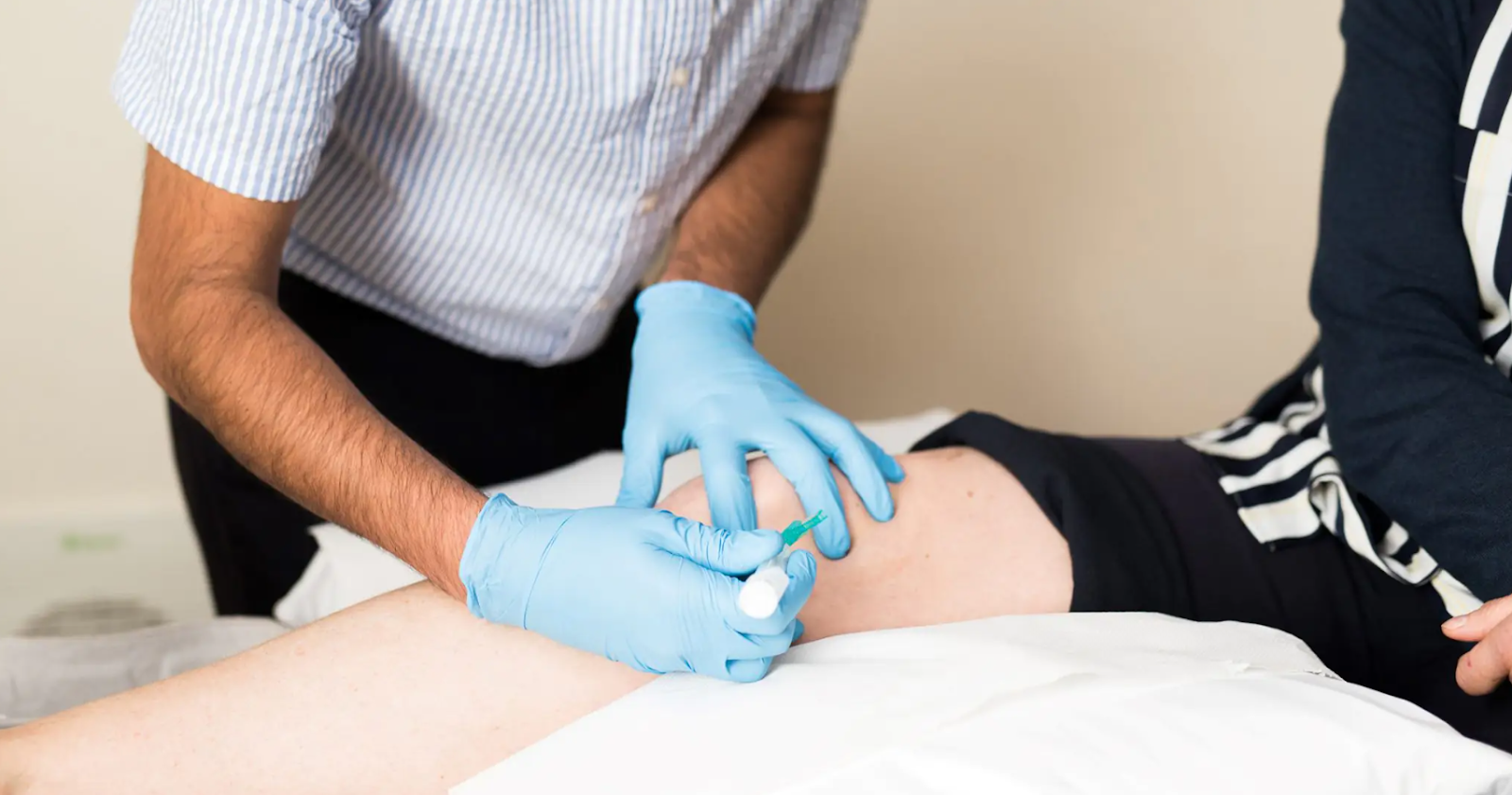
What are Joint Injections?

Joint injections are minimally invasive procedures where a corticosteroid or hyaluronic acid is injected into a joint, commonly the knee, hip, shoulder, or elbow. These substances help reduce pain and inflammation, enabling better movement and function. While corticosteroids provide rapid relief from inflammation, hyaluronic acid injections work by lubricating the joint, which can help reduce pain from osteoarthritis and other degenerative conditions.

The Benefits of At-Home Joint Injections

Home-based joint injections offer several advantages for patients. With at-home services from Home Visiting Physios, you save time, avoid waiting rooms, and eliminate travel challenges, especially helpful for those with mobility issues. Our skilled physiotherapists come prepared to assess, administer, and follow up on your joint injection, ensuring a personalized experience tailored to your condition and comfort level.

What to Expect During Your Visit

Our physiotherapist will conduct an initial assessment to understand your pain level, joint health, and medical history. They’ll explain the procedure, answer any questions, and prepare the injection site with minimal discomfort. The injection itself takes just a few minutes, and most patients experience significant relief within a few days, with effects lasting several weeks to months depending on the treatment.

Supporting Your Recovery

Joint injections work best when complemented with a tailored physiotherapy program. After your injection, Home Visiting Physios can recommend gentle exercises, stretches, and lifestyle modifications to support joint health and reduce strain. Our team is committed to enhancing your mobility and helping you regain confidence in daily activities.

Why Choose Home Visiting Physios?

Home Visiting Physios is dedicated to providing high-quality, personalized care that adapts to each patient’s needs. Our at-home joint injection service brings the benefits of targeted pain relief directly to you, allowing you to focus on recovery without the burden of travel. If you’re dealing with chronic pain or looking to enhance your joint health, we’re here to support you every step of the way.

Experience the convenience of effective joint pain relief in the comfort of your own home with Home Visiting Physios.

Read More: www.homevisitingphysios.co.uk/joint-injections/


Comments

Popular posts from this blog

Understanding Soft Tissue Injuries – Causes, Treatment, and Recovery

  Soft tissue injuries affect muscles, ligaments, and tendons, often caused by trauma, overuse, or repetitive strain. These injuries can lead to pain, swelling, and reduced mobility, making daily activities challenging. Common causes include sprains and strains from overstretching, repetitive movements like running or lifting, and direct trauma from falls or sudden impacts. Symptoms of soft tissue injuries include pain, swelling, bruising, and restricted movement. In more severe cases, weakness or instability in the affected area may occur. Early treatment is crucial to prevent long-term complications. The RICE method (Rest, Ice, Compression, Elevation) is effective in managing initial symptoms, but professional physiotherapy plays a key role in full recovery. At Home Visiting Physios , we provide expert rehabilitation in the comfort of your home. Our physiotherapists use techniques such as manual therapy, guided exercises, and personalized rehabilitation programs to restore flexi...

Managing Spasticity After a Stroke | Home Visiting Physios

  Spasticity, a common condition following a stroke, involves muscle stiffness and involuntary contractions, often making daily activities challenging. Managing this condition effectively is crucial for improving quality of life and fostering independence. Understanding Spasticity Spasticity occurs due to disrupted communication between the brain and muscles, leading to increased muscle tone and exaggerated reflexes. This condition can cause pain, limit mobility, and interfere with daily tasks such as dressing, eating, and walking.  Treatment Approaches 1. Physical Therapy: Engaging in regular physiotherapy Services is fundamental in managing spasticity. Physiotherapists use exercises to stretch and strengthen muscles, improve range of motion, and enhance overall mobility. Tailored exercise programs are designed to meet individual needs, focusing on areas most affected by spasticity. 2. Medications: Several medications can help reduce muscle stiffness and improve movement. Co...

Comprehensive Physiotherapy Services for Care Homes by Home Visiting Physios

  At Home Visiting Physios, we specialize in providing tailored physiotherapy services for care homes , ensuring that residents receive the care they need within the comfort of their environment. Our experienced team understands the unique challenges faced by care home residents, including mobility limitations, chronic conditions, and post-surgical recovery needs. Why Physiotherapy Matters in Care Homes Physiotherapy plays a vital role in enhancing the quality of life for care home residents. It aids in improving mobility, reducing pain, and preventing complications associated with inactivity. Regular physiotherapy sessions also help in managing chronic conditions like arthritis and neurological disorders, ensuring that residents maintain their independence for as long as possible. Our Services for Care Homes We offer a comprehensive range of physiotherapy services tailored to meet the specific needs of care home residents: Mobility Assessments : Evaluating residents’ mobility lev...